
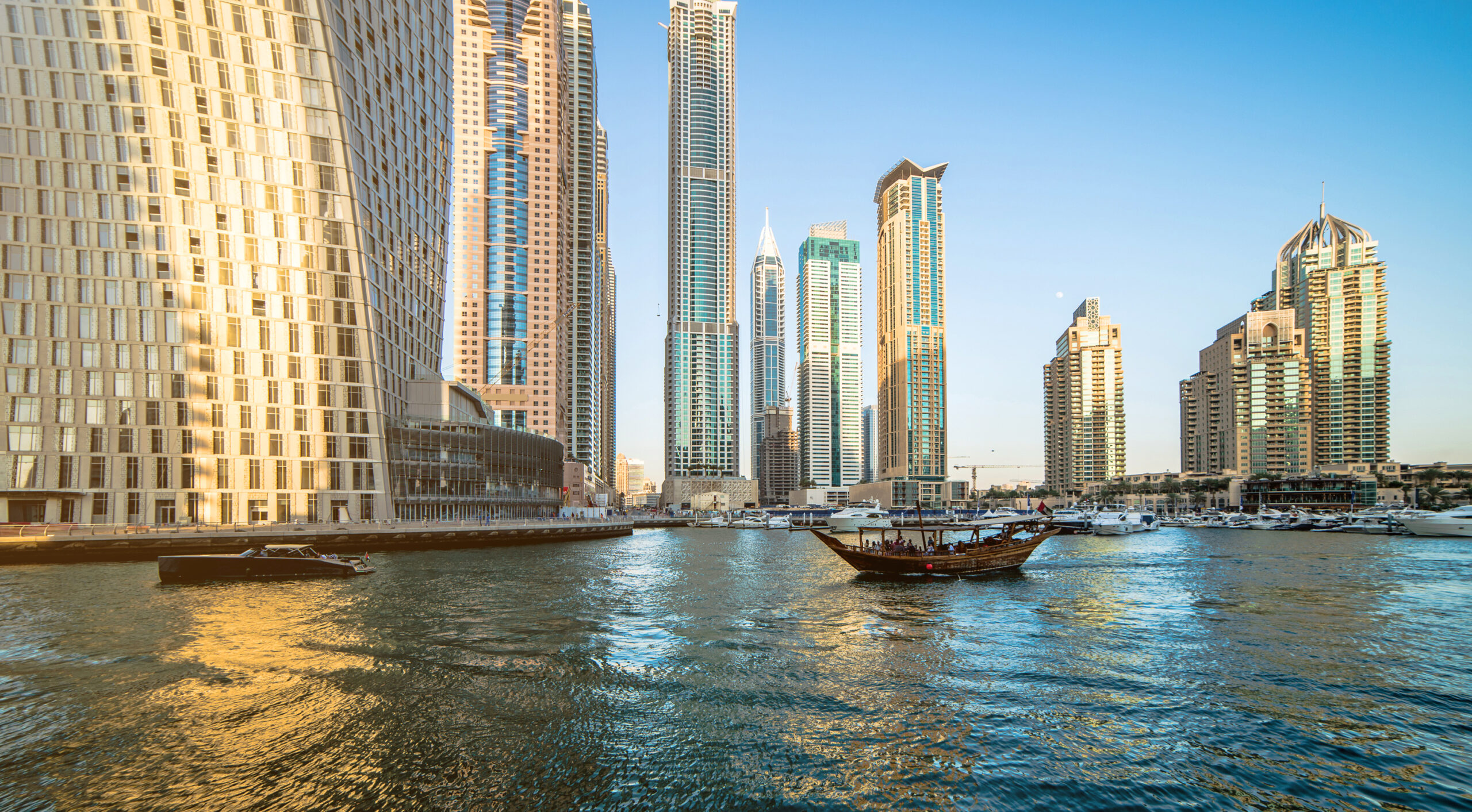
Dubai may be famous for its skyscrapers, luxury malls and futuristic attractions, but some of the city’s most interesting experiences are found around Dubai Creek. Old Dubai offers a completely different atmosphere, with historic neighbourhoods, traditional souks, heritage houses, museums, wooden abras and streets that reflect the city’s trading past.
For visitors planning to explore this side of the city, the main question is often where to begin. Should you start in Al Fahidi, visit the souks first, take an abra across the Creek, or spend time at the museums? And how easy is it to reach these places by Dubai Metro?
The good news is that many of Old Dubai’s key attractions can be combined into one well-planned day. The area is also well connected by public transport, making it practical to explore without relying entirely on taxis.
What Is Old Dubai?
Old Dubai generally refers to the historic areas around Dubai Creek, particularly Al Fahidi, Bur Dubai, Al Shindagha and Deira. These neighbourhoods preserve important parts of Dubai’s architectural, commercial and cultural heritage.
Dubai Creek played a central role in the city’s early development. Fishing, pearl diving and maritime trade were important to local communities, while merchants used the Creek as a trading route.
Today, these historic areas remain active parts of the city rather than functioning simply as open-air museums. Traditional markets operate alongside restaurants, cafés, museums, residential streets and modern transport connections.
Visit Dubai’s 2026 city guide continues to feature the area’s souks, Al Fahidi Historical Neighbourhood, Al Shindagha Museum and Dubai Creek as key parts of a heritage-focused Dubai itinerary.
Exploring Old Dubai: Where Should You Start?
A good starting point is Al Fahidi historical neighbourhood, particularly if you want to understand Dubai’s history before visiting the commercial side of the old city.
From Al Fahidi, you can continue towards Dubai Creek, explore the waterfront and then cross to Deira by abra. The Gold Souk and Spice Souk can then be added to the same route.
If museums and heritage are more important to you than shopping, you can instead spend more time around Al Fahidi and continue towards Al Shindagha.
The main advantage of planning this way is that you avoid repeatedly travelling across Dubai. Instead, you move through the historic districts in a logical sequence.
Top Places to Visit in Old Dubai
Old Dubai has enough attractions to fill an entire day, but some places are particularly useful for understanding the area’s history and character.
1. Al Fahidi Historical Neighbourhood
Al Fahidi Historical Neighbourhood is one of the best places to begin exploring Old Dubai.
The area is known for its narrow lanes, traditional buildings, courtyards and wind towers. Former residential buildings now house cultural spaces, galleries, museums and cafés. Visit Dubai describes the neighbourhood as a place to experience Dubai’s culture, heritage and architecture.
Instead of trying to see everything quickly, allow time to walk through the smaller lanes. The architecture and layout are part of the attraction.
You can:
- Walk through the traditional lanes.
- See historic wind-tower architecture.
- Visit heritage houses and cultural spaces.
- Stop at a traditional café.
- Browse art galleries and craft displays.
- Learn about traditional Emirati life.
The neighbourhood is particularly enjoyable early in the day, when walking conditions are generally more comfortable.
2. Dubai Creek
Dubai Creek is central to the Old Dubai experience.
The waterway separates the historic districts of Bur Dubai and Deira and remains one of the easiest ways to understand how the city’s geography influenced its development.
A traditional abra crossing is more than a sightseeing activity. It connects the two sides of the Creek and provides a simple way to move from the Al Fahidi side towards the Deira souks.
Current Dubai tourism information continues to include traditional abra crossings as part of Old Dubai itineraries.
For many visitors, the short ride is one of the most memorable parts of the day because it gives you a view of the Creek from the water rather than from the surrounding streets.
3. Gold Souk
After crossing towards Deira, the Gold Souk is one of the area’s most recognisable attractions.
Jewellery shops display gold necklaces, bracelets, rings and elaborate traditional designs. You do not have to be planning a purchase to visit; the market itself provides an insight into Dubai’s long-standing role as a trading centre.
If you intend to buy gold, take your time. Compare designs and ask about:
- Gold purity
- Weight
- Making charges
- Final price
- Receipt and purchase details
Avoid making a purchase simply because a design catches your attention immediately. Comparing several shops can help you understand the available options.
4. Spice Souk
The Spice Souk provides a very different experience from the Gold Souk.
Instead of jewellery displays, you’ll find colourful collections of spices, dried herbs, saffron, teas, nuts and other ingredients. The aromas and displays make this one of the more atmospheric stops in Deira.
It is worth asking shopkeepers about unfamiliar products rather than simply buying based on appearance. If you are taking spices home, check packaging and any applicable travel requirements before purchasing.
5. Al Shindagha Museum
For visitors who want more historical context, Al Shindagha Museum is an important addition.
Located in the historic Al Shindagha area, the museum explores Dubai’s heritage, traditions and development through heritage houses and exhibitions.
It helps put the surrounding neighbourhood into perspective. Instead of simply seeing old buildings, visitors can learn about the people, traditions and lifestyles associated with Dubai’s development.
Allow additional time if museums are a major reason for your visit because the museum district contains multiple attractions rather than being a quick stop.
6. Sheikh Saeed Al Maktoum House
Sheikh Saeed Al Maktoum House is another important heritage site in Al Shindagha.
The historic residence dates back to 1896 and contains historical photographs, documents, coins and stamps. It offers a closer look at Dubai’s ruling history and traditional architecture.
It is particularly worthwhile for visitors interested in understanding how Dubai looked and functioned before the rapid development of the modern city.
7. Al Seef
Al Seef sits along Dubai Creek and combines traditional architectural influences with contemporary restaurants, cafés and shops.
It can work well as a relaxed stop towards the end of your Old Dubai itinerary.
Rather than treating it as another major historical attraction, think of Al Seef as a place to slow down after walking through Al Fahidi and the souks. The Creekside setting also makes it suitable for an evening meal or a quieter walk.
Visit Dubai currently highlights Souk Al Seef for shopping, cafés and its Creekside setting.
8. Dubai Frame
Dubai Frame is slightly outside the core heritage districts, but it can complement an Old Dubai itinerary.
Its location provides views towards both the older and newer parts of Dubai, making it particularly relevant if you want to see the contrast between the historic city and its modern skyline.
It is best treated as an optional addition rather than something you need to squeeze into a short Old Dubai visit.
Getting to Old Dubai by Metro
Dubai Metro is one of the most practical ways to reach the historic areas, particularly for visitors staying elsewhere in the city.
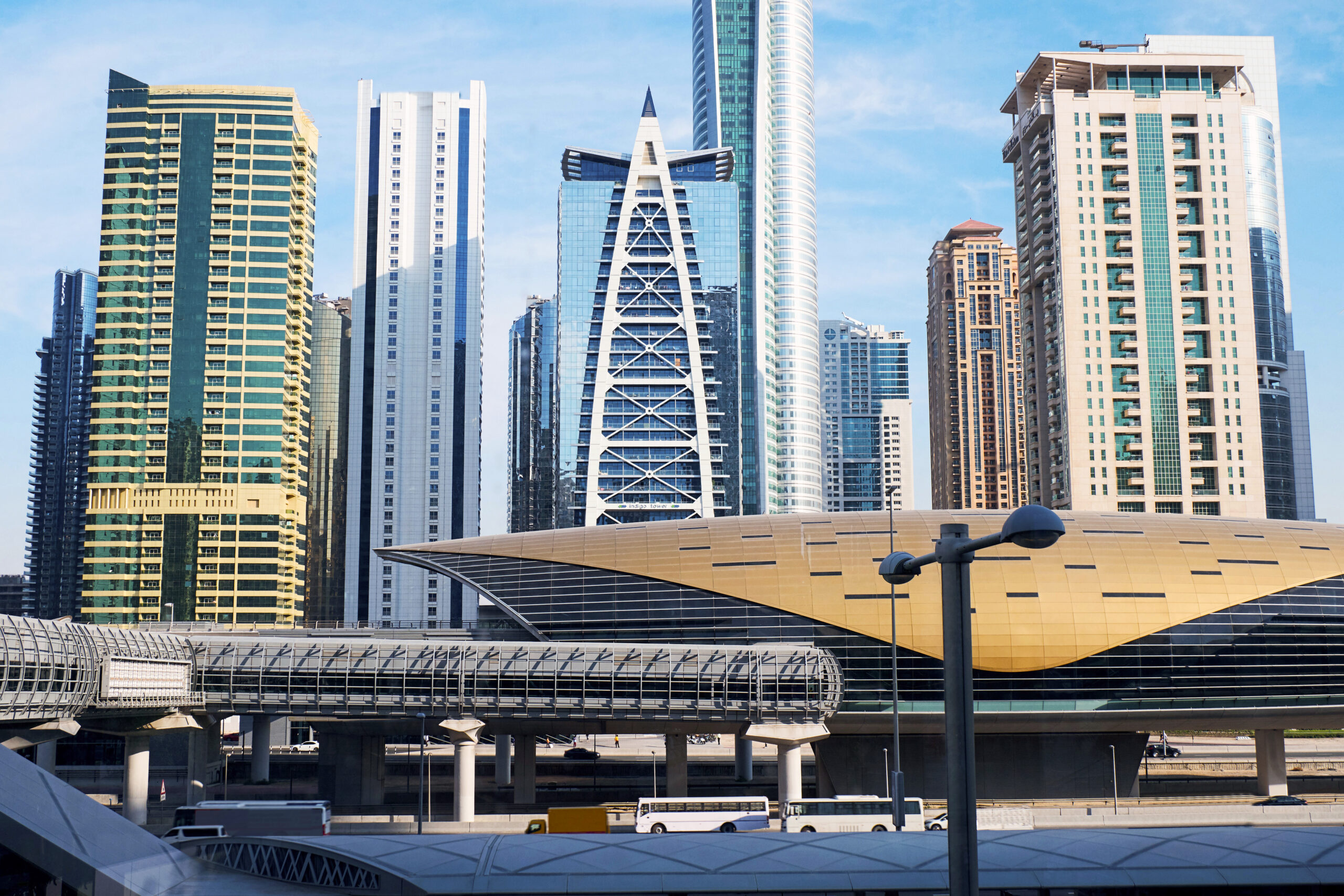
The Dubai Metro currently operates Red and Green lines, with interchange stations at Union and BurJuman. The Green Line is especially relevant when travelling towards the historic parts of Bur Dubai and Deira.
Which Metro Stations Are Useful for Old Dubai?
Your ideal station depends on where you want to begin.
Area you want to visit | Useful transport connection |
Al Fahidi | Al Fahidi Metro Station |
Bur Dubai heritage areas | Green Line stations serving Bur Dubai |
Deira souks | Al Ras / Gold Souk area connections |
Dubai Creek | Green Line and nearby bus/marine connections |
Al Shindagha | Metro followed by a walk or connecting transport |
Wider Dubai | Change between Red and Green Lines at BurJuman or Union |
The exact walking distance from a station depends on your final attraction, so check the RTA journey planner or current metro map before travelling.
RTA’s current timetable lists Dubai Metro operating from 5:00 AM to midnight Monday to Thursday, 5:00 AM to 1:00 AM on Friday, 5:00 AM to midnight on Saturday and 8:00 AM to midnight on Sunday. Special holiday and event schedules can differ.
Why Use the Metro for Old Dubai?
The metro can be particularly useful because:
- It avoids road traffic.
- It connects Old Dubai with other parts of the city.
- The Green Line serves several historic areas.
- BurJuman provides a Red Line–Green Line interchange.
- It reduces the need for multiple taxi journeys.
However, remember that Old Dubai is best experienced on foot. Metro travel gets you close to the area, but walking through the historic lanes and souks is where much of the experience happens.
A Convenient Transport Combination: Metro, Walking and Abra
You do not have to choose one transport method for the entire day.
A practical Old Dubai route is:
Metro → Al Fahidi → Walk → Dubai Creek → Abra → Deira Souks → Metro or Taxi
This approach combines Dubai’s modern public transport system with one of its oldest forms of local water transport.
For example, you can take the metro towards the Al Fahidi area, spend the morning walking through the historic neighbourhood, continue towards the Creek and take an abra to Deira. After visiting the Gold and Spice Souks, you can use the metro or taxi for your next destination.
This is often more efficient than taking taxis between every attraction.
How to Plan a One-Day Old Dubai Itinerary
Trying to visit every attraction can make the day unnecessarily rushed. Grouping nearby locations makes the experience more comfortable.
Morning: Al Fahidi and Heritage
Start around Al Fahidi Historical Neighbourhood.
Spend time walking through the lanes and visiting one or two cultural attractions. If you are interested in history, this is the time to explore heritage houses before the day becomes hotter and busier.
Late Morning: Dubai Creek
Walk towards Dubai Creek and spend some time along the waterfront.
Take an abra across the Creek when you are ready to continue towards Deira.
Afternoon: Gold and Spice Souks
Explore the Gold Souk and Spice Souk at a relaxed pace.
If you are shopping, allow extra time for comparing products rather than treating the souks as quick sightseeing stops.
Late Afternoon: Al Shindagha
If your interests are more cultural than commercial, return to the Bur Dubai side or continue your heritage exploration around Al Shindagha.
Museums and heritage houses can fill the afternoon without requiring extensive travel.
Evening: Creekside
Finish the day around Al Seef or another Creekside dining area.
This gives you a chance to experience the area after the intensity of the daytime sightseeing has eased.
How Much Time Do You Need to Explore Old Dubai?
A half-day is enough to see a few major highlights, but one full day is preferable if you want to combine heritage sites, souks, the Creek and museums.
A rough planning guide is:
- 3–4 hours: Al Fahidi, Creek and one souk
- 5–6 hours: Al Fahidi, abra crossing, Gold Souk, Spice Souk and lunch
- Full day: Heritage areas, museums, both sides of the Creek, souks and an evening Creekside stop
- Two days: Best for visitors who want to explore museums, food and cultural attractions without rushing
There is no need to follow the schedule rigidly. Weather, museum timings and your interest in shopping or history should determine how long you spend in each area.
Where to Stay for Easy Access to Old Dubai?
If Old Dubai is a major part of your itinerary, staying close to the historic districts can reduce travel time.
For travellers specifically searching for a hotel near Al Fahidi Dubai, Grand Ambassador Hotel is located on Al Falah Street in the Al Fahidi area, with Al Ghubaiba Metro Station within walking distance according to its official website.
This can be useful for visitors who want straightforward access to the historic neighbourhoods while also using the metro to reach other parts of Dubai.
The location is particularly relevant for travellers comparing the best hotels in Bur Dubai, where proximity to heritage attractions and public transport can be more useful than choosing accommodation based solely on distance from a single attraction.
Practical Tips for Exploring Old Dubai
A little preparation can make the day significantly easier.
- Start early if you plan to spend several hours outdoors.
- Wear comfortable shoes because walking is a major part of the experience.
- Carry water and take breaks during warmer weather.
- Check metro and attraction timings before leaving.
- Keep some cash available for smaller purchases and certain traditional transport services.
- Compare prices before shopping in the souks.
- Ask permission before photographing people, particularly in less tourist-focused areas.
- Leave extra time for museums if history is your main interest.
- Use the metro for longer connections and walking for the heritage districts.
- Check RTA updates before travelling, especially around public holidays or major events.
RTA publishes updated metro, bus and marine transport timetables, while special-event schedules can differ from regular operating hours.
Is Old Dubai Worth Visiting?
Yes. Old Dubai is one of the best places to experience the city’s history, traditional commerce, architecture and food in one area.
The biggest attraction is not a single landmark. It is the contrast between experiences: walking through the lanes of Al Fahidi, watching boats move along Dubai Creek, crossing the water by abra, exploring the Gold and Spice Souks and then seeing the modern skyline beyond the historic districts.
It also offers something that large modern attractions cannot always provide: a sense of how Dubai developed around trade, water and local communities.
Conclusion
Exploring Old Dubai is less about seeing as many attractions as possible and more about understanding the parts of the city that existed before its modern skyline took shape. Al Fahidi provides a starting point for heritage and architecture, Dubai Creek connects the historic districts, and the Gold and Spice Souks show how trade remains part of the area’s character.
For a well-balanced day, combine walking with public transport rather than relying on taxis throughout the itinerary. The Dubai Metro makes reaching the historic districts straightforward, while a traditional abra provides a memorable way to cross the Creek. Museums such as Al Shindagha can then add historical context, while Al Seef offers a relaxed way to end the day.
If you are planning accommodation around the heritage district, location and transport connections are worth considering alongside the room itself. A hotel in Bur Dubai can be a practical base when your itinerary includes Al Fahidi, Dubai Creek and other historic attractions.
Before setting out, check the latest RTA and attraction information because operating hours and transport schedules can change. With a sensible route and enough time to walk, Old Dubai can provide one of the most distinctive and rewarding experiences in the city.
FAQ
Frequently Asked Questions
What are the check-in and check-out times at Grand Ambassador Hotel?
The major attractions include Al Fahidi Historical Neighbourhood, Dubai Creek, the Gold Souk, Spice Souk, Al Shindagha Museum, Sheikh Saeed Al Maktoum House and Al Seef. Dubai Frame can be added if you want views connecting Old and modern Dubai.
Can you explore Old Dubai by Metro?
Yes. Dubai Metro’s Green Line serves several parts of historic Dubai, and the Red and Green Lines connect at BurJuman and Union. From the metro, many attractions require walking or a short connection by bus, taxi or marine transport.
Which metro line is best for Old Dubai?
The Green Line is particularly useful for Old Dubai because it serves areas around Bur Dubai and Deira. The best station depends on your starting point and which attraction you want to visit first.
How do you get from Al Fahidi to the Gold Souk?
One of the most enjoyable options is to walk from Al Fahidi towards Dubai Creek and take a traditional abra across to the Deira side. From there, the Gold Souk area can be explored on foot.
Is one day enough for Old Dubai?
Yes, one full day is enough for the major highlights. If you want to explore museums in depth, spend more time shopping or sample several local food experiences, two days will allow a more relaxed schedule.
Is Old Dubai suitable for families?
Yes. Families can visit museums, walk through the heritage districts, cross Dubai Creek by abra and explore the souks. During hot weather, plan shorter outdoor periods and include indoor breaks.
What can you buy in Old Dubai?
Gold jewellery, spices, perfumes, textiles, traditional clothing, handicrafts and souvenirs are among the popular purchases. Always compare products and prices before buying.
Is Old Dubai expensive to visit?
It can be relatively affordable if you focus on walking, public transport, traditional souks and low-cost Creek crossings. Paid museums, attractions, shopping and dining will increase the overall budget.
What is the best way to travel around Old Dubai?
A combination of metro, walking and abra works particularly well. Use the metro for longer journeys, walk through the historic neighbourhoods and use the abra to cross Dubai Creek.
What should I check before visiting?
Check attraction opening hours, metro and marine transport schedules, special holiday arrangements and any temporary access restrictions. This is particularly important during Ramadan and public holidays.